Russia Extends Diesel Export Ban through October
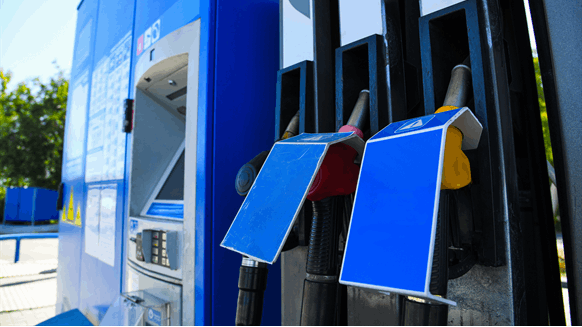
Russia extended a ban on most diesel exports through October, further tightening the global market just as demand rises ahead of the Northern Hemisphere winter and the US considers its own restrictions on exports.
Moscow enacted the ban on diesel exports for producers in July as a wave of Ukrainian strikes against its refineries dragged oil-processing rates to multiyear lows. The export curbs, initially envisaged to last just a matter of weeks, were subsequently extended through August and then to the end of September as the attacks continued.
"The decision has been taken to support stability of the domestic fuel market, also taking into account higher demand for motor fuels during the harvesting season," the government said Wednesday. The ban on exports of most bunker fuel and gasoils has also been extended through the end of October.
Prior to the restrictions and Ukraine's intense attacks on refineries, Russia accounted for roughly 10 percent of global seaborne diesel supplies. Withdrawing those volumes from the market compounded the effects of the disruption to flows in the critical Strait of Hormuz, driving up prices of the fuel that's used to power trucking, farm equipment and industry around the world. As pump costs hit records in America, President Donald Trump has mulled a ban on US exports.
Analysts have warned that such a move could supercharge overseas prices, especially in Europe.
The fuel's premium over crude oil is currently at around $82 a barrel in Europe, fair-value data compiled by Bloomberg show. That compares with about $28 a barrel at the end of February, before the US and Israel launched the war on Iran and Ukraine stepped up its attacks on Russian refineries.
Earlier this month, Trump blamed the price hikes on the Russia-Ukraine conflict - rather than on the Iran war he started - and said Moscow and Kyiv had agreed to stop hitting each other's energy assets. Neither side confirmed such a truce, and attacks on energy infrastructure continued.
Trump said Sunday that he was looking "very seriously" at implementing an export ban, as he comes under increasing pressure to rein in domestic fuel prices.
Diesel prices in Europe could rise as much as 50 percent should the US ban exports of the fuel, likely prompting the region to release emergency reserves, according to research from Oxford Economics and Goldman Sachs Group Inc.


What do you think? We’d love to hear from you, join the conversation on the
Rigzone Energy Network.
The Rigzone Energy Network is a new social experience created for you and all energy professionals to Speak Up about our industry, share knowledge, connect with peers and industry insiders and engage in a professional community that will empower your career in energy.